Chapter 1: 1 - Knowing What It Really Costs to Live in Panama City When You Are 50 When I started to think about moving to Panama City at age 50, I thought this place would not cost a lot. I even hoped it would be cheap compared to living in the United States or Europe. Many people say Panama is where retirees can have a comfortable life and save some money. But soon I found out there is more to it. The cost of living in Panama City isn’t always the same. It changes based on what you want, what you like, and what is most important to you. Many people move to Panama because they hear about low costs and fun things to do. But, they often do not know at first that prices can change a lot. It depends on the way you want to live. If you choose to live in a small place with only simple things, you can save money. But if you want great water views or rich decor, you will have to pay much more for it. The real trick to knowing how much it costs to live in Panama is to see that the price is not...
Transitioning to Digital Lock Systems: A Comprehensive Guide - I have been scammed by Jurisdiction Office Manager OMNI management
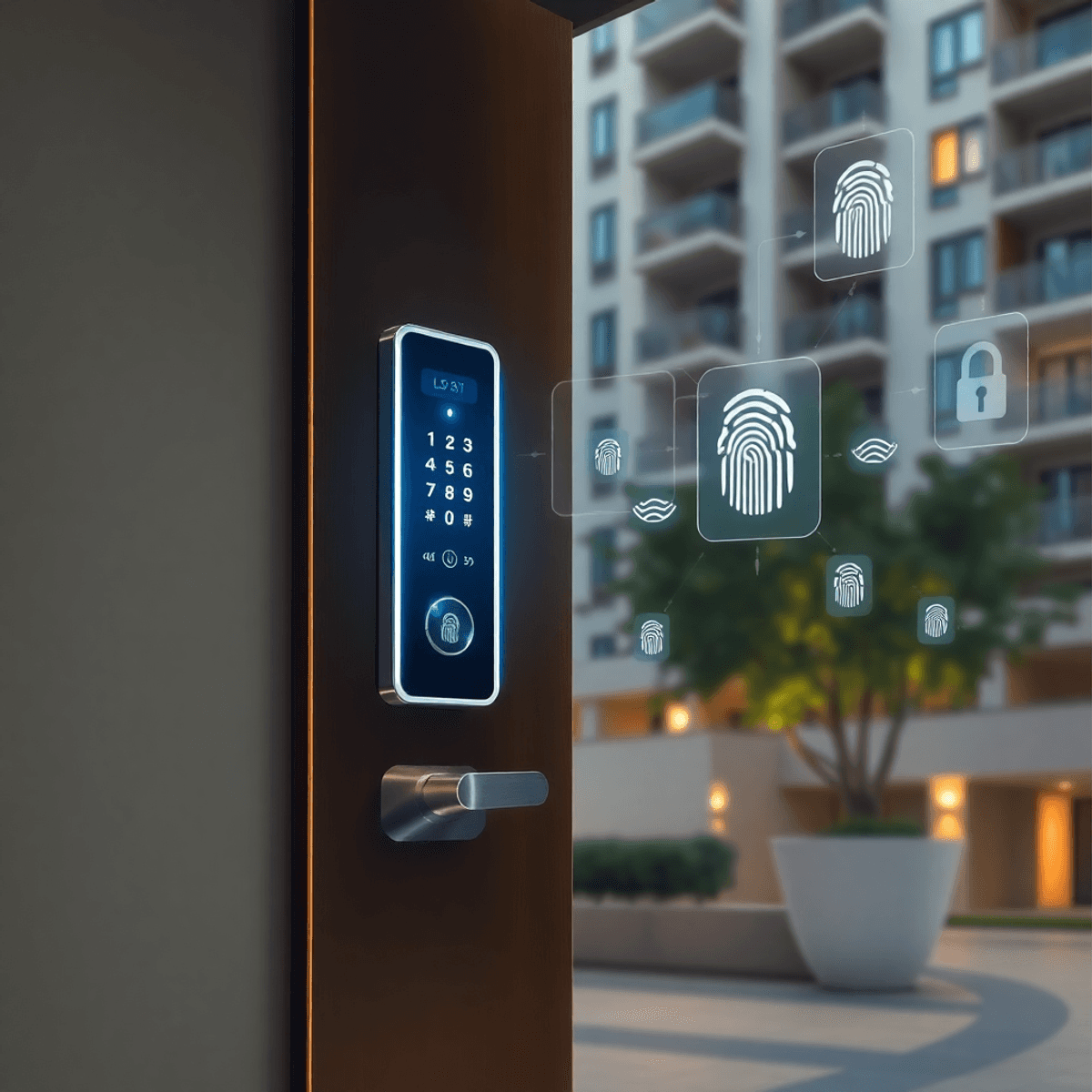
Changing key door lockers into digital ones shows the big change from old mechanical locks to electronic locks. Digital lock systems work with things like RFID cards, fingerprints, code entries, and smartphone apps. These new ways do not use real keys. They help people feel more safe and make life easier in new homes and places.
Many people who live in places like condominiums now use digital locks. This is because people want more safety. They also want a quicker and better way to manage who can enter. Digital door locks let you use secure codes to get in. You can let yourself in from far away. If someone loses a key or if a key gets stolen, you can turn it off right then. Regular locks do not give you these options.
But this change does come with problems. A real situation shows what can go wrong. After someone left a set of digital keys in the main office of a condominium, one of the keys got lost. To make things worse, the digital key for a new car parked in a room at the condominium also went missing. These things show that there can be security issues and legal trouble when people manage digital keys in places where many live together. The issue was taken to Samut Prakan Police Station, showing how good rules and taking care are needed.
This article explores:
Advantages of shifting from old locks to digital locks
Good ways to put them in use
How to solve safety problems
Know the rules and laws
Knowing about these things helps people living in condos and those who manage the buildings. It lets them keep their homes safe when moving to digital lock systems.
Understanding Digital Door Lockers
Digital door lockers are a new kind of electronic lock. They take the place of old door keys and use new tools to lock and unlock doors. You can find many kinds of digital locks. They fit a lot of safety needs and what people want. Each type has its own way to keep places safe. They also help lower the risk if you lose keys or someone takes them.
Types of Digital Locks
1. RFID Cards
Radio Frequency Identification (RFID) cards work by sending a special code to the lock's reader without wires. When you hold the card close, the system checks the code and opens the door. You do not need to touch the lock with the card. A lot of people use RFID cards in offices and apartment buildings. They help to keep the locks in good shape for a long time and stop others from making copies of keys, which can happen with old-style keys.
2. Biometric Authentication
Biometric scanners use things like fingerprints or face recognition to check your identity. Fingerprint scanners are good, as they are easy to use and hard to fool. This way is safe because only the right people can get in. It is very hard for others to get in without the right fingerprint or face.
3. Keypad Codes
Numeric code locks let you enter by typing a password on a keypad. You can make your own code and change it often to keep things safe. This is good when you want to let guests or workers in for a short time because you do not have to hand out real keys.
4. Smartphone App Controls
Smartphone-based digital locks use Bluetooth, Wi-Fi, or other wireless tools to talk with the lock. With these locks, you can lock or unlock your door from far away. You can also see entry logs as they happen. It is easy to give or take away door rights for people using a special app.
How These Technologies Replace Physical Keys
Physical keys can be lost, stolen, or copied without you knowing it. Digital door lockers fix these problems. They use electronic codes that are hard for others to copy or change. You can handle who can open the door using digital tools, which means:
You can turn user credentials on or off right away. There is no need to change the lock hardware.
This setup keeps a record of every time someone tries to get in. It shows both the exact time and who tried to enter.
Property managers or people who live there can manage the system from anywhere. They can see who is getting in and make changes to who can get in as needed.
The security improvements do more than just make things easy; they help create systems that can change and adjust to new threats while making day-to-day entry tasks simple. This change is a big step for home security, mainly in spots like condominiums. A lot of people live in such places, so they need safe and simple ways to get in and out.
However, even with good digital security steps in place, it is important for people to stay alert against scams. Scammers may find weak spots in these systems and try to trick you. Bangkok Scam Alert: How I Was Duped shows why everyone must know about the tricks that people use to cheat others on digital platforms, especially when there is money or other actions happening with these technologies.
Also, knowing how to avoid getting scammed can help you stay safe when you are installing a digital door locker or buying one. As more people start using digital locks, it is important for us to be aware of scams. People need to learn about these tricks to protect themselves.
Lastly, it's good to know that not everyone has the same experience with digital door lockers. Some people may run into problems like the ones talked about in Pattaya's hidden scams which is different story to tell.
Advantages of Switching to Digital Locks
Digital lock systems make home security and convenience better in a big way. They give people safety that is much better than old mechanical locks.
Security Enhancement
Digital locks give many security boosts when you compare them to old-style locks.
Encrypted Door Codes: Digital locks use strong codes to keep people safe. These locks make it much harder for someone to make a copy without you knowing, compared to usual keys. A normal key can be copied because it is just a piece of what you hold in your hand. A digital code or even your fingerprint is not easy to copy or change.
Control Who Gets In: You can give people the right to go in and out by setting up their entries yourself. Families, building staff, or workers who come in to help can all get special levels that say when and where they can go in the building. You can change these anytime from far away, or just shut them off as soon as you want.
Keeping Track: A lot of digital lock systems keep a note every time the door is opened or closed. Managers in condo buildings can use this to know who went into spaces and at what time, which helps people feel safer and stops things from going wrong.
Keyless Entry Benefits
Digital locks come with some good points about going in without a key:
Elimination of Physical Keys: Not having physical keys means there is less risk if keys get lost or stolen. People do not have to feel stress about losing keys or others copying them without asking. For example, my experience with a stolen Samsung phone shows how things can quickly go wrong when you use physical items, so using digital choices is better in many ways.
Remote Management: When you use digital locks and connect them to your phone or a main computer app, you can handle who gets in from anywhere. You can let guests use the lock for some time or stop a keycode if needed. You do not have to be at the door to do any of this.
Quick Turn-off: If someone reports a digital code lost or stolen, you can turn it off right away without changing any part of the lock. You can stop a problem fast using this. This helps to stop trouble before it can do any harm.
Additional Convenience Features
Digital locks also give you some extra features that make things easy for people.
You can connect the system with smartphone apps to unlock doors using Bluetooth or Wi-Fi. This helps you enter without using your hands.
You can give visitors or workers a code to get in for a short time. This means you do not have to give them a main key.
Some systems let people go through several doors using just one digital pass. This makes it easy to get into shared spaces and your place.
Moving from old mechanical locks to new digital lock technology helps cut down the risk of keys being copied without permission. It also lets residents and property managers have more say in who can come in and go out. This makes it a good choice for people living in modern condominiums. If you ever need to write a formal letter to the juristic office because of security problems, it is good to know you have a strong digital lock system on your door. This will help you feel safe, as you know who gets in and when.
Implementing Digital Security in Condominiums: Best Practices for Installation and Data Protection
The move to digital lock systems in condos needs close care when putting in new hardware and keeping data safe. This job gets harder when many units and shared spots all need their own locks to work together. It is also important to protect their privacy and things they own.
Best Practices for Installing Digital Locks
Full Site Check: Start by taking a close look at every entry. This means checking doors for homes, lobby, parking garages, and special rooms. Pick the right lock for each to make sure all parts are safe.
Expert Setup Help: Get trained installers who know digital locks. They will do a good job fitting the locks and tie everything with what is already in place in the building.
Same Locks for All: Use one type of lock or devices that work well together for all units. This makes it easier to control and teach people how to use them.
Back-up Key Entry: Keep backup keys or a way to unlock in case there are issues with the digital system or a power cut. This makes sure you can still get in if needed.
Clear Entry Levels for Users: Decide who gets in where—like for people living there, building workers, and repair teams. Set up what each group can do so people do not go to places they should not.
Ensuring Data Security with Digital Locks
Digital locks use secure ways to talk with other devices. This helps stop others from getting or changing your lock details. Good cybersecurity steps are important:
End-to-End Encryption: All data sent between user devices (like smartphones and RFID cards) and lock controllers should use strong encryption methods such as AES-256.
Regular Firmware Updates: Plan to give software updates often. This will help fix bugs and make the system stronger against new threats.
Secure Cloud Management: If cloud services are used for remote control, make sure providers follow strict rules for data safety. They should also use ways like multi-factor authentication.
Audit Logging: Keep clear records of log entries on who gets in. This will help spot strange actions that could mean a break-in or the wrong use of the system.
Case Study: Managing Condominium Security Amidst Lost Digital Keys
In a mid-sized condominium building, a set of digital keys was kept at the local office for people who manage the place. After a few months, one key went missing, along with a car key from a person’s unit. This showed some important things:
Accountability Protocols: Setting up sign-in and sign-out logs for all digital keys in the management office can help you track who has the keys. This also helps find any mix-ups right away.
Quick Key Turn-Off: Systems should let you turn off any lost or stolen key right away from far away. This will stop anyone who should not use them from getting in.
Telling Residents: Letting people know right away when there is a problem helps build trust. It also lets everyone stay alert and safe.
Putting these steps in place can help make condominiums more safe. The mix of physical barriers and better digital safety will give more protection. Checking the systems often and taking care of them helps keep these tools working well for a long time. It also helps keep away tech problems and mistakes people may make when they handle who is allowed in.
Also, knowing the bigger role of condominiums in city life can help people see why good security matters. Adding things like CCTV can make these places feel much safer. But, it is important for everyone to know about problems like lost keys, because these can make a place less safe if not handled in a good way.
Managing Digital Keys in Condominiums: Sharing Protocols and Security Concerns
Digital key management in condominiums needs clear rules to keep the place safe for residents and people who work there. The rules must also fit the changes that come up with time. Good ways for secure key sharing should help people get in and out with ease, but at the same time, lower the risk of anyone who should not get in.
Protocols for Issuing and Sharing Digital Keys
1. Resident Access
Each person who stays in a unit will get a special digital key or code. You can set this code just for you, and it can be taken back at any time. There is no need to change the locks by hand.
2. Temporary or Guest Access
These systems help you make short-term codes for visitors, people who do repairs, or delivery workers. These special codes stop working by themselves after a set amount of time.
3. Staff Access Management
Designated condominium staff need to get in and out of common areas and spots where things are fixed or checked. Giving people permissions based on their role means that only the right people will be able to get into the right places at set times.
Digital key issuance should always start with checking who the person is. This helps make sure people get only their own access and stops bad use of the keys. A record of all keys given out is needed, so there is a track of who got what. This makes everyone answer for their actions.
Risks of Improper Sharing or Loss
Mismanagement of digital keys can result in:
People can get into property without permission if keys are shared or copied.
There can be security problems if lost or stolen digital keys still work.
It is hard to find out what happened if you do not keep records of who used the keys.
The way people come and go in condominiums changes a lot. This, and the number of visitors, can raise these risks. So, it is very important to have careful administration here.
Tools and Software Solutions for Access Tracking
Modern digital lock platforms come with the latest software features like:
Access Logs and Audit Trails: These keep track of who goes through a door and at what time. These logs help people look into things if something happens.
Real-Time Monitoring: Alerts show up if there is odd activity or if someone keeps trying the wrong entry.
Centralized Management Dashboards: These let managers quickly give, take back, or change keys from far away.
These tools help you see things clearly. They also make it easier to manage how digital keys are shared and used.
Staff Training for Handling Digital and Physical Keys
Condominium staff need to get full training on:
Make sure to follow the set rules when you give out or take away digital keys.
Handle backup physical keys in the right way where they are needed.
Know and spot any security risks linked to using keys in the wrong way.
Report if any credentials are lost or at risk as soon as possible.
When you help build a culture where people know about security, you can cut down on mistakes. People are often the weak point in digital key management systems, so this is important.
Also, it is important to use strong cybersecurity steps to keep these digital systems safe. For detailed help on cybersecurity risk management measures, condominium managers should look at the well-known technical guidelines.
Key Management at Jurisdiction Offices: Protocols for Depositing Digital Keys and Preventing Loss
Taking care of keys at the office is important for the safety of people living in a condominium. To stop people who should not get in, and to keep track of who has the keys, it is good to have one clear system to manage digital keys in one place. The steps for dropping off digital keys at the office are the start of this system to keep things safe.
Standard Procedures for Depositing Digital Keys
The process for giving and getting back keys has to be made in a way that keeps everything honest from start to finish. These steps usually include:
Registration of Each Key: Every digital key that comes into the office gets logged with details like serial numbers or special codes.
Issuance Records: There are clear records showing who gets each key, why they need it, and for how long.
Secure Storage Solutions: Keys are kept in safes or locked storage, and only people with permission can get in. This helps stop tampering or theft.
Return Check: When a key is brought back, there is a process to check that the right key is returned and that it is in good condition before putting it back in storage.
Preventing Key Loss and Unauthorized Duplication
Digital keys help cut down risks that come with making copies of metal keys. But, if digital keys are lost or used in the wrong way, and if rules are not strong, there can still be trouble. Steps that help are:
Controlled Access to Key Storage: Give access only to those people who are allowed. Watch the area with cameras or check who comes in with logs.
Audit Trails and Access Logs: Keep detailed logs to show each time a digital key is used or moved. This helps follow up if there are any problems.
Regular Inventory Audits: Check the keys at set times. Make sure each one is there so you can find mistakes fast.
Improving Accountability in Jurisdiction Offices
Ways that help people feel responsible make trust stronger between people who live in a place and those who run it. Good ways to do this include:
Clear Responsibility Assignments: When you give each staff member a clear role in handling digital keys, it helps everyone know who is in charge of what security steps.
Training on Security Protocols: Staff need training so they know and follow the rules for keeping keys safe.
Reporting Lost Keys: Setting up a clear way for staff to tell you right away if keys are lost or not safe helps you fix the problem faster.
When someone handles a key the wrong way and that leads to bigger problems, like scams, these rules become even more important. They work together to help keep condos safe by taking care of digital keys the right way in the right office. Being open and clear helps lower the risks that come from keys getting lost or copied by someone. This makes the home entry system safer for everyone living there.
Handling Missing Digital Keys: Incident Response Steps and Legal Responsibilities
The loss of digital keys brings some clear problems in keeping condos safe. A good plan and fast action are needed right away to cut down on risks tied to people getting in when they should not. Think about what could happen if a set of digital keys kept at an office goes missing. A key to a new car kept inside a condo could also be lost at the same time. When things like this occur, it’s very important to move fast. This will help keep the place safe for everyone.
Immediate Incident Response Steps
1. Report and Document
The first thing to do is to let the condominium management or security team know about the lost key. Make sure you give a clear record that has the date and time you found out the key was missing. You should also tell what the lost key looks like and talk about what could have happened when it got lost.
2. Deactivate Lost Digital Keys
Modern digital lock systems let you turn off lost or stolen keys right away with central management software. This stops anyone from using the lost keys and you do not need to change the actual locks.
3. Change Access Credentials if Necessary
When a lost key lets people get into more than one place or shared spots, it's a good idea to change the entry codes or set up new digital lock codes that feel safe. This will help make the place safe by stopping the old codes from working with the lost key.
4. Notify Residents and Relevant Parties
Clear communication is very important to keep trust and watchfulness high in people who live in the area. Let people know if they may be affected by what happened. Tell them about what has been done to keep everyone safe. Give advice on what steps they can take now, like watching out for anything strange going on around them.
Enhancing Security Post-Incident
1. Audit Access Logs
Digital lock systems usually keep good records of every entry. By looking at these records, you can check if the lost keys were used before anyone said they were missing. This can help you know what steps to take next to stop this from happening again.
2. Review Key Management Protocols
Look at how people handle putting and keeping track of digital keys at local offices or areas where everyone can go. Making people answer for what they do can help. This can be done with sign-in and sign-out logs, cameras that watch over things, or tools that check fingerprints or faces. These steps can lower the chances of this happening again.
3. Legal Obligations
Property managers need to know their legal duties when they deal with lost digital keys. They have to tell residents about the lost keys quickly. They should also follow the rules about privacy when handling data to get in or out.
Problems can come up if managers are not careful with keeping keys safe. This can then let someone in without permission or cause things to get stolen.
Digital lock systems let you respond much faster than old-style locks. But to deal with lost digital keys, you still need clear steps and good communication. It is important to handle these cases in a careful and simple way.
Integrating Car Key Security Measures in Condominium Settings: Best Practices and Technology Solutions
Car key security at home can be hard to manage. It is not the same as keeping a door locked. In condos or places where many people live together, you need to be extra careful. You want to make sure no one uses, loses, or takes the car keys without the right to do so.
Challenges in Car Key Management
Shared Access Risks: Many residents, staff, or other people may need to get into vehicles parked at the place for just a while or for a long time. This can make it easy for keys to be put in the wrong place or used in a way they should not be.
Valuable Asset Protection: Car keys let people get to things that are worth a lot. Keeping these keys safe is very important for the whole property.
Complex Accountability: It can be hard to know who has the car keys at any time if there is not a clear way to manage them.
Best Practices for Securing Car Keys Alongside Residential Access Keys
Centralized Key Storage: Use lockable cabinets to keep car keys safe when not being used. Only certain people can get the keys to keep them safe. These cabinets should work together with your main key management systems that are used for home digital locks.
Access Logging: Keep clear records that show when someone takes a car key and when they bring it back. Make sure to note the name of the person and the time. This helps if there is any problem and you need to look into it fast.
Designated Custodians: Choose trained people to handle who gives out and collects car keys. This helps to make sure that rules are always followed.
Temporary Access Protocols: If guests or drivers need a key, use digital codes or electronic keycards that work only for a short time and are tied to one car, not just a regular key.
Technology Solutions for Tracking Car Key Usage
New tools make car keys safer in the following ways:
RFID Tagging and Scanning When you put RFID tags on car keys, you can track them in real time. This happens when the keys go in or out of safe storage places. Special scanning spots will update logs right away. Only managers with the right permissions can get to these records.
Digital Key Management Software These software platforms give you a full dashboard to see every key. You can use it for both home keys and car keys. The person in charge can set who is allowed to use which key. They can also make reports about how keys are being used or get alerts if something does not look right.
Smart Lockers and Cabinets These lockers are electronic and open with your fingerprint or a keypad, not with a regular key. Only people who should get a key can use them, and every time someone does, it is
Holistic Security Approach
Including car key security in the condominium’s digital lock system brings everything together. This way, the setup helps keep all assets safe. When these systems work with each other, there are fewer weak spots than if they are managed alone. It also helps to make life there safer for everyone.
For example, knowing how juristic offices in Thailand handle such security issues can give helpful ideas for what people can do in condo buildings to make things better.
Legal Framework Surrounding Digital Key Management in Residential Properties: Liability Issues and Safety Communication Strategies
Managing digital keys in places where people live can feel tough because there are many rules about who can get in, what is private, and how to keep the place safe. Giving out digital keys and handling them comes with some legal implications and responsibilities for those who run the property and for condo groups.
Key considerations include:
Liability for Lost or Misused Keys
When digital keys are lost or not used the right way, the responsibility often goes to the property managers or whoever gave out the keys. Courts may look at if the right steps were taken to keep the key details safe and if quick action—like turning off lost keys—was done to stop people from getting inside without permission.
Compliance with Data Protection Laws
Digital lock systems keep data, like who went in and out and even fingerprints. Privacy rules (like GDPR, CCPA) say you must handle this data safely, keep it only for as long as needed, and clearly tell people living there how their data is being used.
Contractual Obligations and Resident Agreements
Things like lease and condo rules tell you how to use digital keys, how to report lost keys, and who is responsible when things go wrong. Having these rules in writing helps everyone know what’s expected and what steps to take if problems come up.
Safety Communication Strategies
It’s good to always tell residents about security rules, what you do when things go wrong, and any new updates to the system. Sharing this often cuts down on problems with key use and helps people feel good about their safety in the community.
Preventive Measures to Mitigate Legal Risks
Things like strict key rules, keeping a record of entries, using encrypted ways to hand out keys, and letting trained pros set up the system all help
Understanding the legal framework surrounding digital key management is essential for balancing efficient access control with resident safety and privacy rights.
Future Trends in Lock Technology: Smart Home Integration and Future-Proofing Residential Security Systems
The move from old-style mechanical locks to digital systems has changed home safety in a big way. A lot of new condos now use smart home integration to make homes safer and life easier. People can now link locks, cameras, and alarms with IoT devices. This lets all devices connect as one and people can check or manage them from far away in real time.
Key Considerations for Upgrading Security Infrastructure
When you want to make your security systems better, there are a few key things you need to think about:
Interoperability: It is important for the digital locks to work well with other smart home devices you may have.
Scalability: Choose systems that can fit future growth or work with new technology you may get later.
Data Protection: Use strong ways to keep your data safe from anyone who tries to see or take it without letting you know.
The Importance of Enhanced Surveillance Systems
When you add digital lock solutions, you need to find out if your place needs better security cameras. Cameras that have motion detection and face recognition help make electronic door locks work better. These cameras keep clear records of what happens. Using both digital locks and these cameras is a good idea. It helps a lot when things like digital keys or car keys go missing in condos. These problems show why good security at all points is important.
Balancing Accountability and Risks with Digital Key Deposits
Putting digital keys in local offices comes with a lot of responsibility. There can be risks too, like when keys get lost. If that happens, smart tools can help. These tools can track where the keys are and send out warnings when something odd happens. This means people do not have to check everything on their own.
Adapting to Future Threats with User-Friendly Management Tools
To keep residential security strong over time, it is important to use technologies that can change as new threats come up. These tools should be easy to use, too. A good system brings together digital locks, IoT connections, and modern cameras. When these work together, they make a safe place for people living in condominiums.
Comments
Post a Comment